 2025-07-09 04:54:23
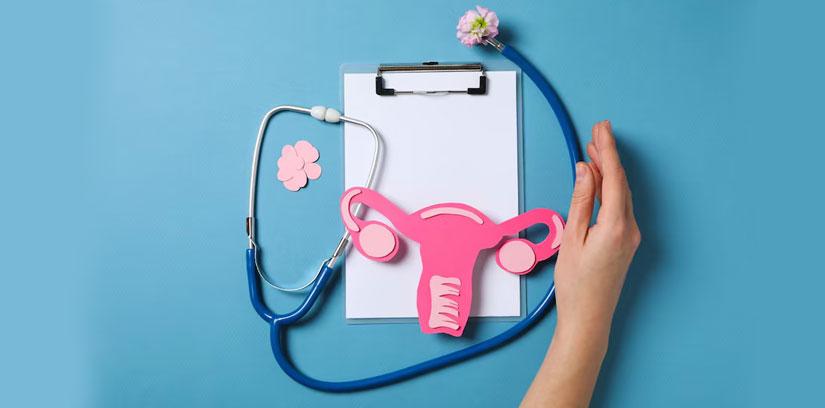
Polycystic Ovary Syndrome (PCOS) and Polycystic Ovarian Disease (PCOD) are common conditions affecting women’s reproductive health, butthey are often misunderstood or confused with one another. While they share some similarities, there are important differences between the two.
What is PCOS?
Polycystic Ovary Syndrome (PCOS) is a hormonal disorder that affects women during their reproductive years. It occurs when the ovaries produce an abnormal levels of androgens (male hormone), leading to symptoms like irregular periods, excessive hair growth (hirsutism), and cysts on the ovaries.
Women with PCOS may have multiple small cysts on their ovaries, but not all women with the condition develop these cysts. The hormonal imbalance causes disruptions in the menstrual cycle and can also lead to difficulties with fertility.
Symptoms of PCOS:
Causes of PCOS:
While the exact cause of PCOS is not fully understood, it’s believed to be linked to hormonal imbalances and genetics. High levels of insulin in the body may also contribute to the development of PCOS, as insulin resistance can increase androgen production in the ovaries.
What is PCOD?
Polycystic Ovarian Disease (PCOD) is a condition that shares many similarities with PCOS but is typically less severe. PCOD involves the development of cysts on the ovaries, but unlike PCOS, it doesn’t always cause hormonal imbalances. Many women with PCOD can still have normal ovulation and regular menstrual cycles, but they may experience other symptoms such as ovarian cysts and weight gain.
Symptoms of PCOD:
Causes of PCOD:
PCOD is usually caused by hormonal imbalances, but it is not always associated with the same level of insulin resistance seen in PCOS. Women with PCOD may still produce higher levels of androgens, leading to symptoms like excessive hair growth and acne. The exact cause is still unclear, but lifestyle factors and genetics can contribute to the development of PCOD.
PCOS vs. PCOD: Key Differences
While both conditions share similar symptoms, PCOS tends to have more serious effects on hormone levels and fertility. PCOS is associated with insulin resistance, leading to higher levels of male hormones, and often results in infertility. PCOD, on the other hand, is typically less severe and doesn’t always cause infertility issues.
In short:
Conclusion: Take Control of Your Health
PCOS and PCOD are manageable conditions, and with the right medical guidance and lifestyle changes, many women can lead healthy, fulfilling lives. The key is early diagnosis, awareness of symptoms, and a proactive approach to managing your health.
If you suspect you have PCOS or PCOD, it’s important to consult a healthcare provider for diagnosis and treatment. Understanding the differences between PCOS and PCOD will help you better navigate your journey toward optimal reproductive and overall health.

Doctor of Pharmacy
Dr. Suryani Dutta holds a Doctor of Pharmacy (Pharm.D) degree and brings a strong foundation in clinical and pharmaceutical sciences to her writing. Her academic background and practical experience in pharmacy inform her work with accuracy and depth, allowing her to contribute insightful and well-researched content in the healthcare and medical fields.