NeuHealth Trips

Human Papilloma Virus

Human Papilloma Virus
Established 2025-07-08 12:22:20

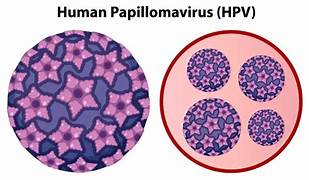
Human Papillomavirus (HPV) is a group of over 200 related viruses, with more than 40 types affecting the genital area. HPV is the most common sexually transmitted infection (STI) worldwide and is often asymptomatic. While many infections resolve on their own, some high-risk types can lead to serious health problems, including genital warts and cancers such as cervical, anal, penile, and throat cancers.

Risk Factors:

  • Unprotected Sex
  • Multiple Sexual Partners
  • Weakened Immune System: Conditions like HIV/AIDS or immunosuppressive treatments increase susceptibility to persistent HPV infections.
  • Early Sexual Activity at younger age
  • Lack of HPV Vaccination

Symptoms:

  • Genital Warts (small, flesh-colored growths or lumps in the genital, anal, or mouth areas caused by low-risk HPV types)
  • No Symptoms: Many people with HPV show no symptoms and may unknowingly transmit the virus.
  • Cancers: High-risk HPV types can lead to cancers of the cervix, vulva, anus, penis, and throat.

Prevention and Early Detection:

  • HPV Vaccination: The HPV vaccine is highly effective in preventing infection from high-risk HPV strains responsible for cervical and other cancers.
  • Safe Sex Practices: Using condoms can reduce the risk of HPV transmission, though it doesn’t fully eliminate the risk since HPV can affect areas not covered by a condom.
  • Regular Screenings: For women, Pap smears and HPV tests can detect abnormal cervical cells or the presence of high-risk HPV strains, which can prevent cervical cancer.
  • Limiting Sexual Partners: Reducing the number of sexual partners lowers the risk of HPV exposure.

Diagnosis and Staging:

  • Pap Smear (Pap Test): A routine screening for women to detect abnormal cervical cells that could lead to cervical cancer.
  • HPV DNA PCR Test: This test detects the DNA of high-risk HPV strains in the cervix or other affected areas
  • Colposcopy: If a Pap smear or HPV test shows abnormal results, a colposcopy can provide a more detailed examination of the cervix.
  • Biopsy: If abnormal cells are found, a biopsy may be performed to determine whether they are precancerous or cancerous.

Why Regular Screening Matters?

HPV infections can often remain undetected, as they may not show symptoms. Regular screenings, such as Pap smears, HPV tests, and HPV DNAPCR tests, are essential for early detection of high-risk HPV types and abnormal cell changes. Early identification allows for timely intervention, preventing the progression of HPV-related cancers.

Get a Treatment Plan Within 1Hour

Author

Suryani Dutta

Doctor of Pharmacy

Dr. Suryani Dutta holds a Doctor of Pharmacy (Pharm.D) degree and brings a strong foundation in clinical and pharmaceutical sciences to her writing. Her academic background and practical experience in pharmacy inform her work with accuracy and depth, allowing her to contribute insightful and well-researched content in the healthcare and medical fields.

Get a Free Quote