 2025-07-08 12:07:24
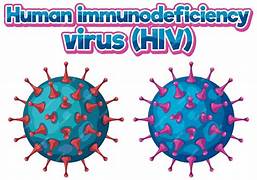
Human Immunodeficiency Virus (HIV) is a virus that attacks the immune system, specifically targeting and weakening CD4 cells (T cells),which are crucial for the body's immune defense. If left untreated, HIV can progress to acquired immunodeficiency syndrome (AIDS), where the immune system is severely compromised, making the body vulnerable to opportunistic infections and cancers. Early detection, effective treatment, and ongoing management can allow individuals living with HIV to maintain a high quality of life.
Risk Factors:
Symptoms:
Prevention and Early Detection:
Diagnosis and Staging:
Why Regular Screening Matters?
HIV can go undetected for years without symptoms. Regular testing, like the HIV antibody test, RNA PCR, and CD4 count, allows early treatment with ART, reducing the viral load, preventing AIDS, and lowering transmission risk.

Doctor of Pharmacy
Dr. Suryani Dutta holds a Doctor of Pharmacy (Pharm.D) degree and brings a strong foundation in clinical and pharmaceutical sciences to her writing. Her academic background and practical experience in pharmacy inform her work with accuracy and depth, allowing her to contribute insightful and well-researched content in the healthcare and medical fields.