 2025-07-08 11:59:31
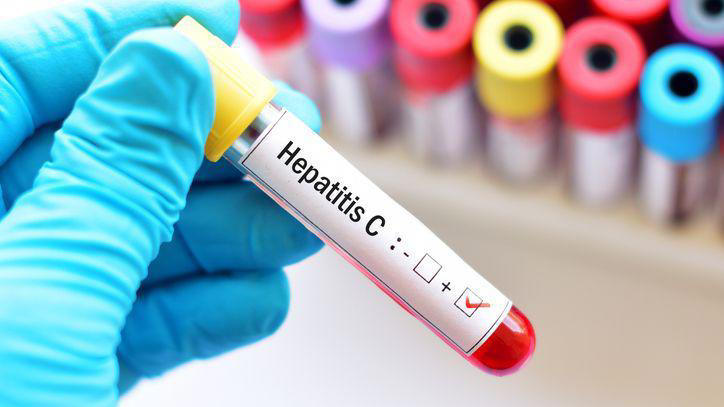
Hepatitis C is a viral infection that primarily affects the liver, causing inflammation, liver damage, and potentially leading to serious conditions like cirrhosis, liver cancer, and liver failure. Unlike hepatitis B, it is primarily transmitted through blood-to-blood contact, and many people maybe unaware they are infected because it can be asymptomatic for years.
Risk Factors:
Symptoms:
Prevention and Early Detection:
Diagnosis and Staging:
Why Regular Screening Matters?
Regular screening, especially for high-risk individuals, can detect the virus early when it is most treatable. With modern antiviral treatments, HCV can be cured in most cases, reducing the risk of liver damage and improving long-term health outcomes.

Doctor of Pharmacy
Dr. Suryani Dutta holds a Doctor of Pharmacy (Pharm.D) degree and brings a strong foundation in clinical and pharmaceutical sciences to her writing. Her academic background and practical experience in pharmacy inform her work with accuracy and depth, allowing her to contribute insightful and well-researched content in the healthcare and medical fields.