 2025-07-08 11:20:53
Micronutrients are small yet powerful nutrients that have a significant impact on a woman’s overall well-being. From bone health to energy levels, these nutrients are essential for maintaining good health. However, due to dietary patterns, lifestyle, and health conditions, women in India face unique challenges in getting the right amounts of vitamins and minerals. This guide explores the most important micronutrients for Indian women and provides actionable advice to incorporate them into your diet.
What Are Micronutrients?
Micronutrients are vitamins and minerals that our bodies need in small amounts but are essential for various bodily functions, including immune support, bone health, energy production, and skin health.
For Indian women, micronutrient deficiencies can be common due to factors such as dietary habits, cultural food practices and lack of sunlight in certain regions. However, by being mindful of your diet, you can ensure that you are getting the right balance of these nutrients.
1.Calcium: The Pillar of Bone Health
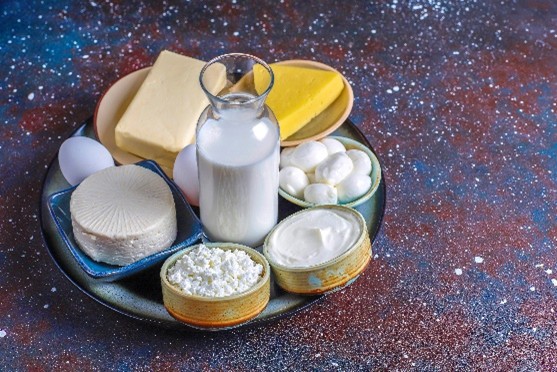
Calcium is crucial for maintaining bone density, especially for Indian women who are at a higher risk of osteoporosis as they age. It also supports muscle function, nerve transmission, and heart health.
Recommended Daily Intake:
Top Sources in India:
Pro Tip:
Pair calcium-rich foods with vitamin D for better absorption.
Calcium-Rich Foods in the Indian Diet
Food Calcium (mg per serving)
1 cup curd 200mg
1 cup milk 300mg
1 cup cooked spinach 245mg
1 small block paneer 150mg
Food Calcium (mg per serving)
1 cup curd 200mg
1 cup milk 300mg
1 cup cooked spinach 245mg
1 small block paneer 150mg
2. Iron: Combatting Fatigue and Boosting Energy
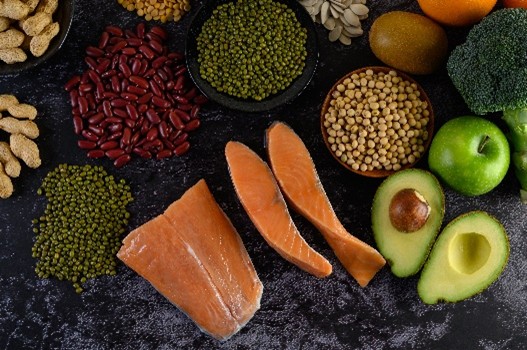
Iron is essential for carrying oxygen throughout the body, and it plays a significant role in maintaining energy levels. Women in India are at high risk of iron deficiency anaemia due to heavy menstruation, pregnancy, and vegetarian diets, which may lack sufficient sources of iron.
Alt Text for Image: A variety of iron-rich Indian foods including rajma, masoor dal, and meat, emphasizing their role in preventing iron deficiency
Recommended Daily Intake:
Top Sources in India:
Pro Tip:
Pair iron-rich foods with vitamin C (like amla, oranges, tomatoes) to enhance iron absorption.
Best Iron Sources in Indian Diet
Food Iron (mg per serving)
1 cup cooked rajma (kidney beans) 5 mg
3 oz chicken liver 9 mg
1 medium-sized spinach 6 mg
1 cup cooked masoor dal 6 mg
Food Iron (mg per serving)
1 cup cooked rajma (kidney beans) 5 mg
3 oz chicken liver 9 mg
1 medium-sized spinach 6 mg
1 cup cooked masoor dal 6 mg
3. Folate(Vitamin B9): Key for Reproductive Health
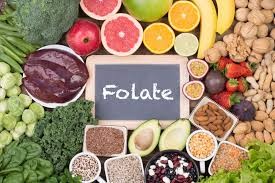
Folate is vital for cell growth and DNA synthesis, which is especially important during pregnancy. Folate helps prevent neural tube defects in babies and supports overall fertility. Folate is also important for reducing fatigue and improving energy levels.
Recommended Daily Intake:
Top Sources in India:
Best Folate Sources in Indian Diet
Food Folate (mcg per serving)
1 cup cooked moong dal (mung beans) 110 mcg
1 cup cooked spinach (palak) 58 mcg
1 cup cooked chickpeas (chole) 282 mcg
1 medium-sized avocado 81 mcg
Food Folate (mcg per serving)
1 cup cooked moong dal (mung beans) 110 mcg
1 cup cooked spinach (palak) 58 mcg
1 cup cooked chickpeas (chole) 282 mcg
1 medium-sized avocado 81 mcg
4.Vitamin D: The Sunlight Vitamin for Strong Bones
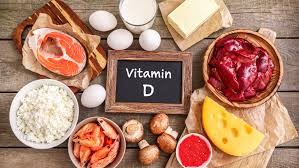
Vitamin D helps the body absorb calcium, essential for bone health and immune function. Many Indian women, especially those who spend a lot of time indoors or live in areas with limited sunlight, suffer from vitamin D deficiency. It is particularly important as women age to avoid bone fractures and support immune health.
Recommended Daily Intake:
Top Sources in India:
Pro Tip:
Get 15-20 minutes of sunlight daily to boost your vitamin D levels naturally.
Best Vitamin D Sources in Indian Diet
Food Vitamin D (IU per serving)
3 oz mackerel 680 IU
1 egg yolk 41 IU
1 cup fortified milk 120 IU
1 small bowl of rohu fish 500 IU
Food Vitamin D (IU per serving)
3 oz mackerel 680 IU
1 egg yolk 41 IU
1 cup fortified milk 120 IU
1 small bowl of rohu fish 500 IU
5.Magnesium: Stress-Busting Mineral
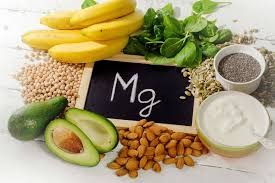
Magnesium plays an essential role in muscle relaxation, nerve function, and bone health. It’s also great for reducing stress and PMS symptoms and helps with better sleep. Many Indian women experience magnesium deficiency, especially due to poor diet or high levels of stress.
Recommended Daily Intake:
Top Sources in India:
Pro Tip:
Taking magnesium-rich foods in the evening can help improve sleep quality.
Best Magnesium Sources in Indian Diet
Food Magnesium (mg per serving)
1 oz almonds 76 mg
1 cup cooked spinach 157 mg
1 small bowl of quinoa 118 mg
1 oz pumpkin seeds 150 mg
Food Magnesium (mg per serving)
1 oz almonds 76 mg
1 cup cooked spinach 157 mg
1 small bowl of quinoa 118 mg
1 oz pumpkin seeds 150 mg
Conclusion: Micronutrients Matter More Than Ever for Indian Women
Incorporating these key micronutrients into your daily diet is essential for maintaining optimal health. With a balanced approach to nutrition, Indian women can improve their bone health, immune function, energy levels, and overall well-being. From iron-rich lentils to sunlight-filled vitamin D, every micronutrient has a role in supporting your health.

Doctor of Pharmacy
Dr. Suryani Dutta holds a Doctor of Pharmacy (Pharm.D) degree and brings a strong foundation in clinical and pharmaceutical sciences to her writing. Her academic background and practical experience in pharmacy inform her work with accuracy and depth, allowing her to contribute insightful and well-researched content in the healthcare and medical fields.